Acupuncture Therapy for Pain
Acupuncture is a form of alternative medicine and a component of traditional Chinese medicine in which thin needles are inserted into the body. Acupuncture is a pseudoscience; the theories and practices of TCM are not based on scientific knowledge, and it has been characterized as quackery
The theory and practice of acupuncture originated in China. It was first mentioned and recorded in documents dating a few hundred years before the Common Era. Earlier instead of needles sharpened stones and long sharp bones were used around 6000 BCE for acupuncture treatment.
What Is Acupuncture?
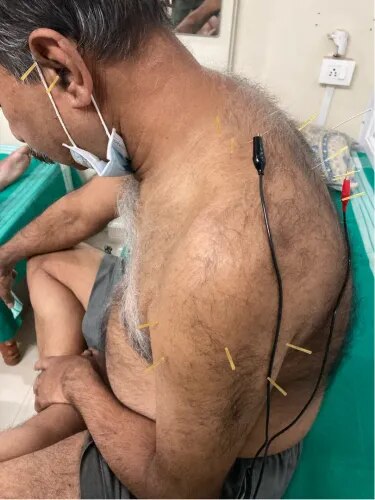
Acupuncture is an age-old healing practice of traditional Chinese medicine in which thin needles are placed at specific points in the body. It's primarily used to relieve pain but also has been used to treat other conditions. More than 3 million Americans use acupuncture, but it is even more popular in other countries. In France, for example, one in five people has tried acupuncture.
How Acupuncture Works ?
Acupuncture seeks to release the flow of the body's vital energy or "chi" by stimulating points along 14 energy pathways. Some scientists believe that the needles cause the body to release endorphins -- natural painkillers -- and may boost blood flow and change brain activity. Skeptics say acupuncture works only because people believe it will, an effect called the placebo effect.
Does Acupuncture Hurt?
Acupuncture needles are very thin, and most people feel no pain or very little pain when they are inserted. They often say they feel energized or relaxed after the treatment. However, the needles can cause temporary soreness.
Acupoint: Low-Back Pain
If standard treatments don't relieve your chronic low-back pain, acupuncture may do the job, and two respected medical groups suggest that people in this situation give it a try. One large study found that both actual and acupuncture worked better than conventional treatments for back pain that had lasted more than three months. The jury's still out on acupuncture for short-term (acute) pain in the low back.
Acupoint: Headaches
Acupuncture help relieve migraines or tension headaches. Two large studies found that people receiving acupuncture had fewer days with tension headaches than those receiving conventional care.
Acupoint: Arthritis Pain
Acupuncture can be a helpful addition to conventional treatment for osteoarthritis, says the National Institute of Arthritis and Musculoskeletal and Skin Diseases. And some of the most promising, early research has shown acupuncture eased arthritis pain in the knee. However, more research is needed to prove without a doubt that it's effective for osteoarthritis.
Acupoint: Carpal Tunnel Syndrome
Acupuncture was tested and compared with steroid pills for the hand and arm pain of carpal tunnel syndrome. Researchers in Taiwan gave one group eight acupuncture treatments, over about a month, and those patients reported more relief, for a longer time, than the group taking medicine. While studies like this have been promising, more evidence is still needed to confirm that acupuncture is effective for carpal tunnel syndrome.
Acupoint: Other Pain
People have tried acupuncture for neck pain, muscle pain, tennis elbow, and menstrual cramps, hoping to avoid medications and their side effects. The World Health Organization lists 128 different conditions that are sometimes treated with acupuncture. In the U.S., a review by the National Institutes of Health called for robust research to verify the promise that acupuncture holds for many different conditions.