

+918048031859

Currently it only shows your basic business info. Start adding relevant business details such as description, images and products or services to gain your customers attention by using Boost 360 android app / iOS App / web portal.

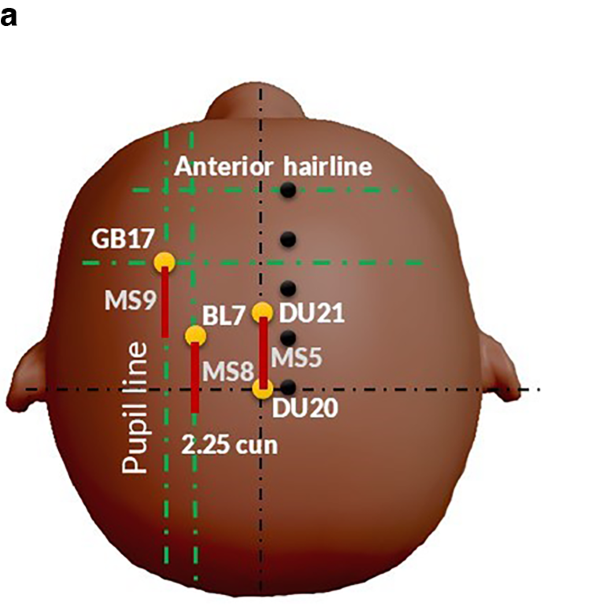
Scalp acupuncture is a technique in which very fine needles are inserted into specific areas of the scalp to try to influence symptoms or support rehabilitation. It is used in some traditional Chinese medicine practices and acupuncture-based neurological rehabilitation. What is it used for Stroke rehabilitation Sometimes used alongside conventional rehabilitation to support movement and function. Pain management May help some people with headaches or certain types of pain. Neurological symptoms Studied for conditions affecting movement and function, although evidence varies by condition. Stress and relaxation Some people use acupuncture to help manage stress. Is it effective? Scientific evidence is mixed and depends on the condition being treated. It should not replace established medical treatment, particularly for stroke, neurological disease, or severe headaches. Is it safe? Possible side effects include temporary pain, minor bleeding, bruising, or dizziness. Rare but serious complications can occur. Choose a qualified practitioner who uses sterile, single-use needles. Scalp acupuncture for stroke rehabilitation: risks and side effects Scalp acupuncture is a complementary treatment in which very fine needles are inserted into selected areas of the scalp. Some practitioners use it alongside physiotherapy and other rehabilitation treatments to help people recover movement and function after a stroke. The most important point: scalp acupuncture is not a proven replacement for standard stroke rehabilitation. Research suggests possible benefits for some outcomes, but the quality of evidence is variable. Its safety also depends on the patient's medical condition, medications, and the practitioner's training. 1. What are the risks and side effects? Common, usually mild effects Brief pain, tenderness, or tingling at the needle site Small amounts of bleeding or bruising Temporary dizziness, nausea, sweating, or feeling faint Mild headache or fatigue after treatment Less common but important risks Infection from contaminated needles or poor hygiene Prolonged bleeding, especially with certain medicines or bleeding disorders Skin irritation or inflammation Fainting or falls, which may be particularly dangerous for someone with post-stroke weakness or balance problems Rare serious complications Significant bleeding or a deep infection Injury from incorrect needle placement Serious complications related to an underlying medical condition Serious complications from acupuncture are uncommon when it is performed properly, but the risks are not zero.


