

+918048031859

Currently it only shows your basic business info. Start adding relevant business details such as description, images and products or services to gain your customers attention by using Boost 360 android app / iOS App / web portal.

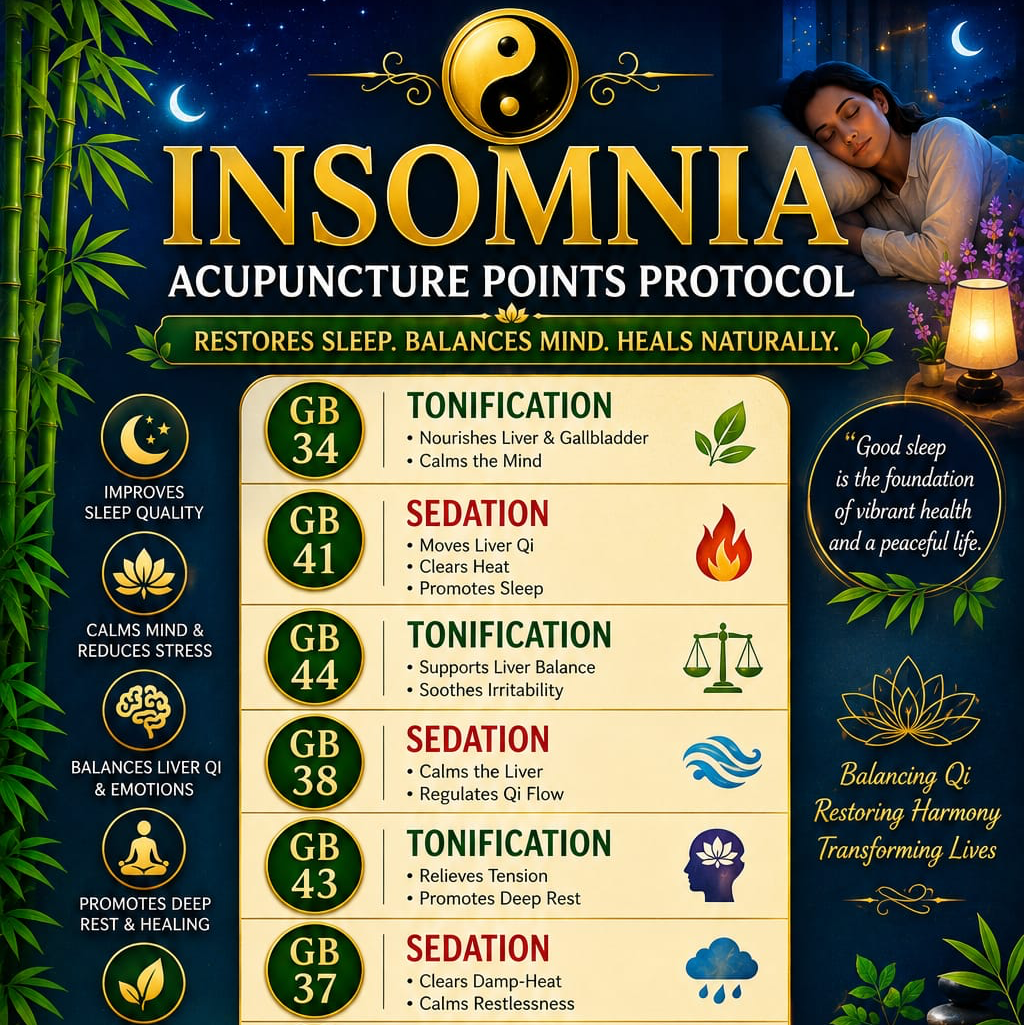
Acupuncture is sometimes used as a complementary treatment for insomnia, and some research suggests it may improve sleep quality, sleep duration, and insomnia symptoms in certain people. However, the evidence is mixed, and acupuncture is generally considered an adjunct rather than a replacement for established insomnia treatments. How acupuncture may help Acupuncture involves inserting very thin needles into specific points on the body. Proposed mechanisms include: Influencing neurotransmitters involved in sleep regulation (such as serotonin and GABA). Reducing stress, anxiety, and physical tension that may contribute to insomnia. Modulating the nervous system and promoting relaxation. What research shows Several studies and reviews have found that acupuncture can provide modest improvements in insomnia symptoms, particularly for people whose sleep problems are associated with stress, anxiety, pain, or certain medical conditions. However: Study quality varies considerably. Results are not always consistent. More high-quality research is needed to determine the magnitude of benefit. What to expect during treatment Sessions typically last 20–60 minutes. A treatment course may involve 1–3 sessions per week for several weeks. The needles are very thin, and most people experience minimal discomfort. Some practitioners may combine acupuncture with lifestyle recommendations or other traditional approaches. Safety Acupuncture is generally safe when performed by a qualified, licensed practitioner using sterile, single-use needles. Possible side effects include: Mild bruising Temporary soreness Minor bleeding at needle sites Rare complications if performed improperly Important considerations If you’re experiencing chronic insomnia, it’s also worth evaluating common causes such as: Stress or anxiety Depression Sleep apnea Restless legs syndrome Medication side effects Excess caffeine or alcohol use Poor sleep habits The treatment with the strongest evidence for long-term insomnia is Cognitive Behavioral Therapy for Insomnia (CBT-I). Acupuncture may be a useful complementary option, especially if stress, anxiety, or chronic pain contribute to your sleep difficulties.


