

+918048031859

Currently it only shows your basic business info. Start adding relevant business details such as description, images and products or services to gain your customers attention by using Boost 360 android app / iOS App / web portal.

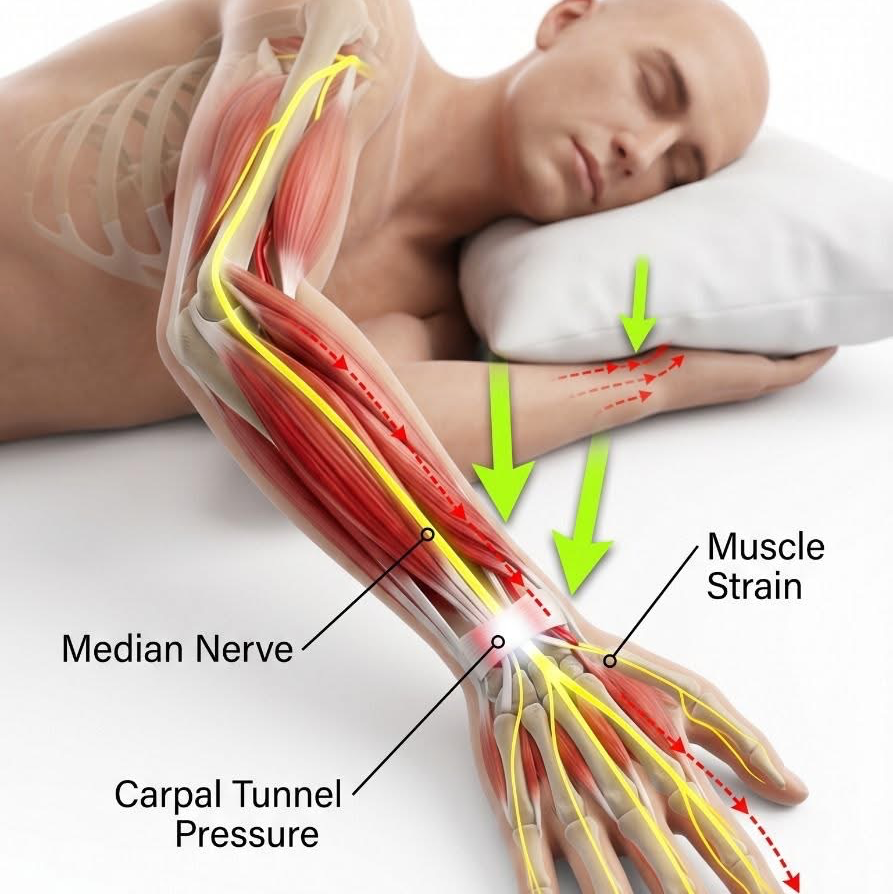
Acupuncture Therapy for Pain Acupuncture is a treatment that involves inserting very thin needles into specific points on the body. It originated in traditional Chinese medicine and is now commonly used as a complementary therapy for pain management. What types of pain may benefit Research suggests acupuncture can provide relief for some people with: Chronic low back pain Neck pain Knee pain from osteoarthritis Chronic headaches and migraines Shoulder pain Some postoperative pain conditions Certain nerve-related pain syndromes such as sciatica. How effective is it The scientific evidence is mixed but generally shows that: Acupuncture performs better than no treatment for several chronic pain conditions. It also tends to perform slightly better than “sham” acupuncture (procedures designed to mimic acupuncture without using traditional points), suggesting effects beyond placebo alone. The average benefit is usually modest rather than dramatic, though some individuals report substantial relief. How might it work Researchers propose several mechanisms: Acupuncture Therapy for Pain Acupuncture is a treatment that involves inserting very thin needles into specific points on the body. It originated in traditional Chinese medicine and is now commonly used as a complementary therapy for pain management. What types of pain may benefit? Research suggests acupuncture can provide relief for some people with: * Chronic low back pain * Neck pain * Knee pain from osteoarthritis * Chronic headaches and migraines * Shoulder pain * Some postoperative pain conditions * Certain nerve-related pain syndromes such as sciatica (evidence is less certain) How effective is it? The scientific evidence is mixed but generally shows that: * Acupuncture performs better than no treatment for several chronic pain conditions. * It also tends to perform slightly better than “sham” acupuncture (procedures designed to mimic acupuncture without using traditional points), suggesting effects beyond placebo alone. * The average benefit is usually modest rather than dramatic, though some individuals report substantial relief. How might it work? Researchers propose several mechanisms: * Stimulation of nerves that influence pain signaling * Release of endorphins and other natural pain-relieving chemicals * Effects on brain regions involved in pain processing * Reduction of inflammation in some cases The exact mechanisms are still being studied. Safety When performed by a qualified practitioner using sterile, single-use needles, acupuncture is generally considered safe. Common side effects are mild and may include: * Temporary soreness * Minor bleeding or bruising * Lightheadedness Rare but serious complications can occur if needles are used improperly. What to expect during treatment A typical session lasts 20–60 minutes. Many treatment plans involve multiple sessions over several weeks. The number of sessions varies depending on the condition and individual response. Stimulation of nerves that influence pain signaling Release of endorphins and other natural pain-relieving chemicals Effects on brain regions involved in pain processing Reduction of inflammation in some cases Safety When performed by a qualified practitioner using sterile, single-use needles, acupuncture is generally considered safe. Common side effects are mild and may include: Temporary soreness Minor bleeding or bruising Lightheadedness Rare but serious complications can occur if needles are used improperly. What to expect during treatment A typical session lasts 20–60 minutes. Many treatment plans involve multiple sessions over several weeks. The number of sessions varies depending on the condition and individual response. L


