

+918048031859

Currently it only shows your basic business info. Start adding relevant business details such as description, images and products or services to gain your customers attention by using Boost 360 android app / iOS App / web portal.

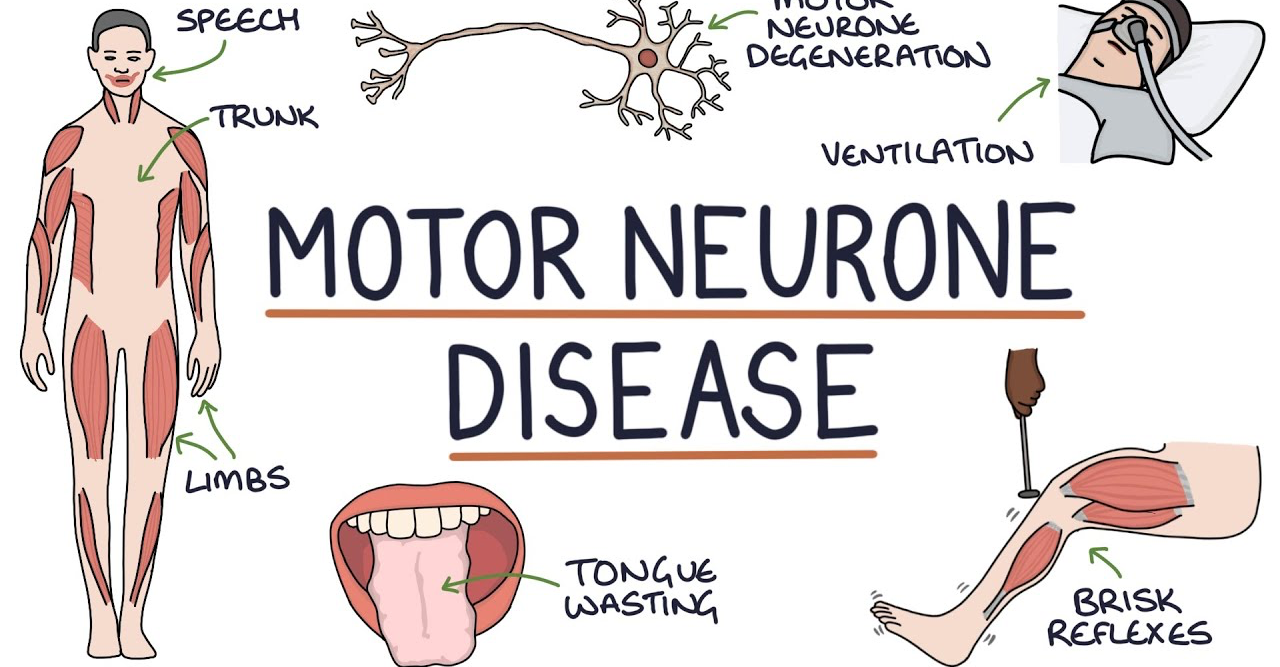
Acupuncture has been studied as a complementary therapy for Motor Neurone Disease, reliable evidence that it slows the disease, restores lost nerve function, or prolongs survival. What the evidence suggests Possible symptom relief: Some small studies and patient reports suggest acupuncture may help with symptoms such as: Muscle pain or stiffness Muscle cramps Neck or shoulder discomfort Stress and anxiety Sleep difficulties No proven effect on disease progression: High-quality clinical trials have not shown that acupuncture can stop or reverse the degeneration of motor neurons. Evidence quality is limited: Many published studies have been small, lacked rigorous controls, or had methodological limitations, making firm conclusions difficult. If someone with MND is considering acupuncture It may be reasonable as an adjunct to standard medical care, provided: It is performed by a qualified, licensed practitioner. The neurologist or healthcare team is aware, especially if the person has respiratory problems, is taking blood thinners, or has significant muscle wasting. Expectations are realistic: the goal is symptom management and comfort, not treating the underlying disease. Treatments with stronger evidence Management of MND typically focuses on: Disease-modifying medication when appropriate (such as Rilutek or other approved therapies depending on the country and clinical situation) Physical and occupational therapy Speech and swallowing support Nutritional support Respiratory care Medications for muscle cramps, spasticity, excessive saliva, pain, and other symptoms Bottom line Acupuncture may help some people feel more comfortable by reducing certain symptoms, but it has not been shown to treat the underlying disease or alter the course of Motor Neurone Disease. It is best used, if at all, as part of a comprehensive care plan rather than as a replacement for evidence-based treatment.


