

+918048031859

Currently it only shows your basic business info. Start adding relevant business details such as description, images and products or services to gain your customers attention by using Boost 360 android app / iOS App / web portal.

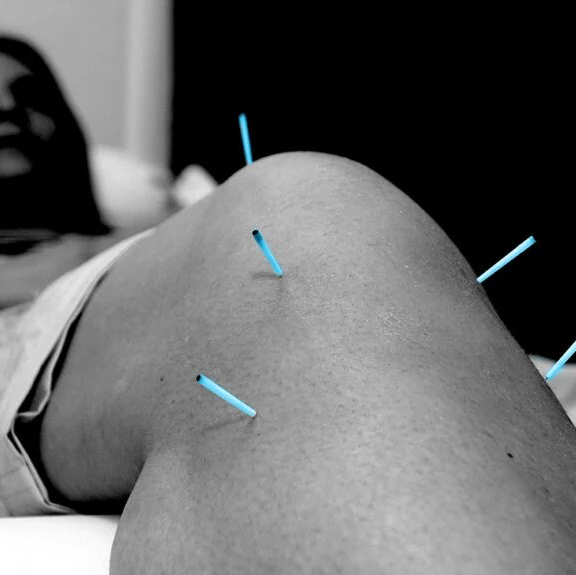
Q1: What is acupuncture therapy? A: Acupuncture is a traditional treatment that involves inserting very thin, sterile needles into specific points on the body to help relieve pain, improve circulation, and support the body’s natural healing processes. Q2: Can acupuncture help with joint pain? A: Yes. Many people use acupuncture to help manage joint pain caused by conditions such as osteoarthritis, rheumatoid arthritis, sports injuries, or general wear and tear. Some studies suggest it may reduce pain and improve function for certain people. Q3: Which joints can be treated with acupuncture? A: Acupuncture is commonly used for pain affecting the knees, shoulders, hips, elbows, wrists, ankles, neck, and lower back. Q4: Is acupuncture painful? A: Most people feel little to no pain. The needles are much thinner than injection needles, and you may notice a mild tingling, warmth, or dull ache during treatment. Q5: How many sessions are needed? A: The number of sessions varies depending on the condition, its severity, and individual response. Some people notice improvement after a few sessions, while others may benefit from a longer course of treatment. Q6: Is acupuncture safe? A: When performed by a qualified, trained practitioner using sterile, single-use needles, acupuncture is generally considered safe. Minor bruising or temporary soreness at needle sites can occur. Q7: Can acupuncture replace medications or surgery? A: Acupuncture should not automatically be considered a replacement for medications or surgery. It is often used alongside conventional medical care. Treatment decisions should be made with your healthcare provider based on your specific condition. Q8: Are there any side effects? A: Side effects are usually mild and may include slight soreness, bruising, or temporary fatigue. Serious complications are uncommon when acupuncture is performed correctly. Q9: Who should avoid acupuncture? A: People with certain bleeding disorders, those taking blood-thinning medications, or individuals with specific medical conditions should discuss acupuncture with their healthcare provider before treatment. Pregnant individuals should inform the practitioner, as some acupuncture points are avoided during pregnancy. Q10: Can acupuncture be combined with physiotherapy or exercise? A: Yes. Acupuncture is often combined with physiotherapy, stretching, strengthening exercises, and lifestyle changes as part of a broader pain management plan. Key takeaway: Acupuncture may help reduce joint pain and improve mobility for some people, but results vary. It works best as part of a comprehensive treatment plan tailored to the individual’s condition and needs.


