

+918048031859

Currently it only shows your basic business info. Start adding relevant business details such as description, images and products or services to gain your customers attention by using Boost 360 android app / iOS App / web portal.

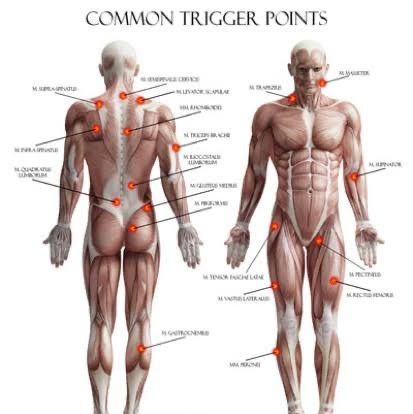
Acupuncture is considered a safe and effective complementary treatment for fibromyalgia that can help manage symptoms like pain, stiffness, fatigue, and anxiety, and improve overall quality of life. It is often used as part of a multimodal treatment plan in addition to conventional therapies like medication and exercise. Efficacy and Benefits Pain Reduction: Multiple studies and meta-analyses suggest that acupuncture is effective in reducing pain intensity, with effects that can last for several months. Improved Quality of Life: Patients often report a significant improvement in their overall well-being and a reduction in the impact of fibromyalgia on their daily lives (as measured by the Revised Fibromyalgia Impact Questionnaire, or FIQ-R). Symptom Relief: Acupuncture can also help alleviate associated symptoms such as stiffness, fatigue, sleep disturbances, depression, and anxiety. Adjunct Therapy: For patients who do not respond well to standard pharmacological treatments alone, adding acupuncture to their regimen has shown significant benefits. Electroacupuncture: Some evidence suggests that electroacupuncture (where a mild electric current is passed through the needles) may be more effective than manual acupuncture alone for reducing pain and stiffness. Safety and Considerations Acupuncture is generally considered safe when performed by a properly trained and licensed practitioner using sterile, single-use needles. Minor Side Effects: Minor, temporary side effects may include bruising, minor bleeding, or discomfort at the needle insertion sites, and occasionally nausea or dizziness. Rare Serious Risks: Serious adverse events, such as organ puncture or infection, are extremely rare but can occur if the practitioner is not adequately trained. Patient Selection: Individuals with a fear of needles or certain medical conditions (e.g., bleeding disorders or a compromised immune system) should discuss these with their healthcare provider first.


